
Blue Smoke Rising
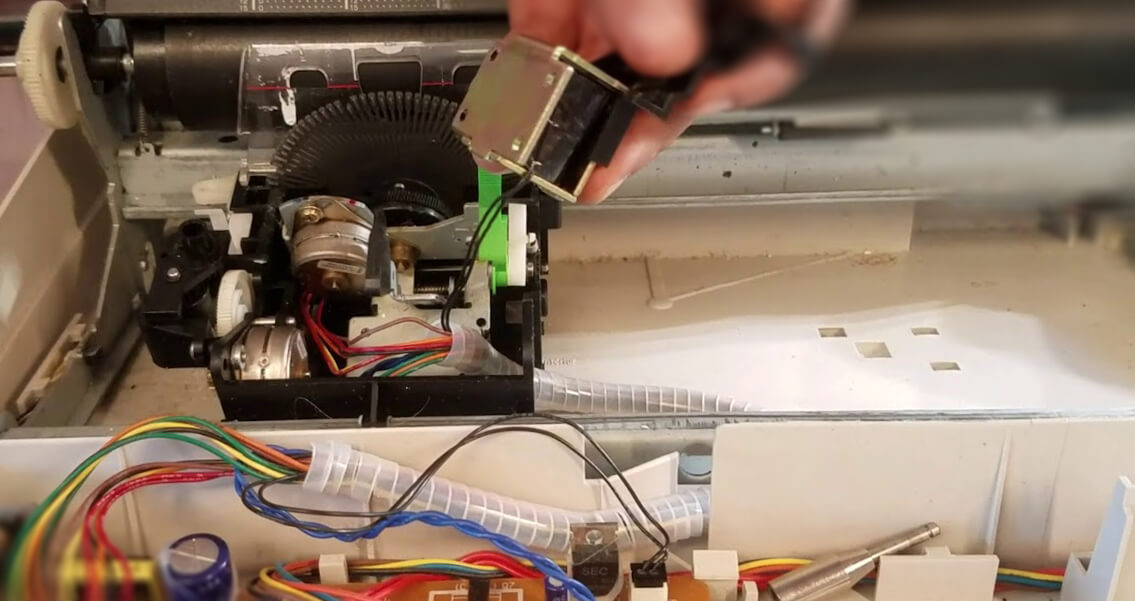
The RS-232 adapter arrived from Amazon. Connected it. Nothing.
Tried different baud rates. Different settings. Nothing.
The DB-9 connector looked like a serial port. It wasn't. Smith Corona used a proprietary protocol. The connector shape lied.
Finding Smith Corona documentation is hard. The company closed in 2013. 127 years of making typewriters, then gone.
Most of what remains online: eBay listings, repair manuals, nostalgia forums. Not protocol specs.
But people document obscure things. Found a trail. Reddit post linking to a Twitter thread linking to a Mastodon account. All leading to one person: FozzTexx.
He'd already done the hard work and very meticulously. Years ago. Reverse-engineered the entire protocol. Built a working BBS terminal out of a Smith Corona. Published everything on the Mastodon thread in real time.
I learned things I didn't know existed. Electric typewriters had PWP modules that turned them into word processors. An entire era of technology between manual typewriters and PCs.
And FozzTexx documented what every pin on the DB-9 does. Data in, data out, clock, request. And pin 3: +36 volts, to provide power to the PWP module.
Reached out on Mastodon, "This is amazing! Would you consider sharing your PCB design and code?"
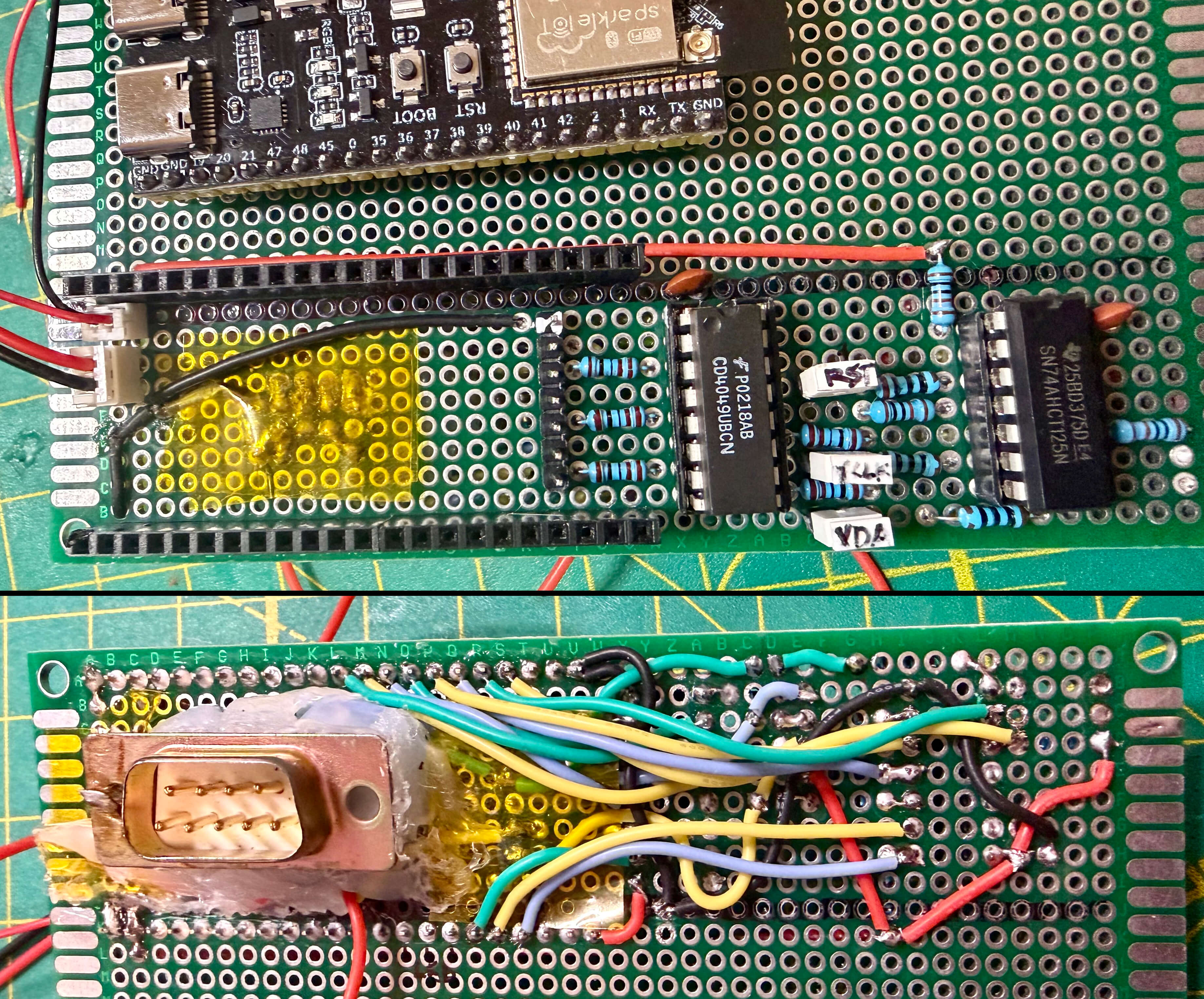
The protocol needed voltage shifting. Typewriter speaks 5V. Modern microcontrollers speak 3.3V. Started designing a circuit. CD4050 and 74AHCT125 for level shifting. Placed and wired up the components on a PCB prototyping board based on FozzTexx's pin documentation.
Connected to the typewriter. Probing with a multimeter.
I knew every pin's function from his posts. Knew about the 36 volts.
Knowing and being careful are different things.
Probes slipped. Pin 3 touched pin 4.
36 volts through the wrong path.
A fuse blew. That's what fuses do.
Researched the fuse type online. Ordered replacements from Amazon. Arrived next day.
Installed. Turned on.
Typewriter powered up. For a moment, seemed fine.
Then the hammer started hitting. Not typing. Just hitting. Over and over.
Coil getting hot.
Smoke.
Not a lot. Just enough. That smell. Burning plastic and silicon. Something permanently wrong.
Keys not responding.
Sat there. Disappointed. Not at the typewriter. At myself.
I knew about 36 volts. Read about it in FozzTexx's documentation. He literally posted a warning, based on his past experience, and showed the right way to do it.
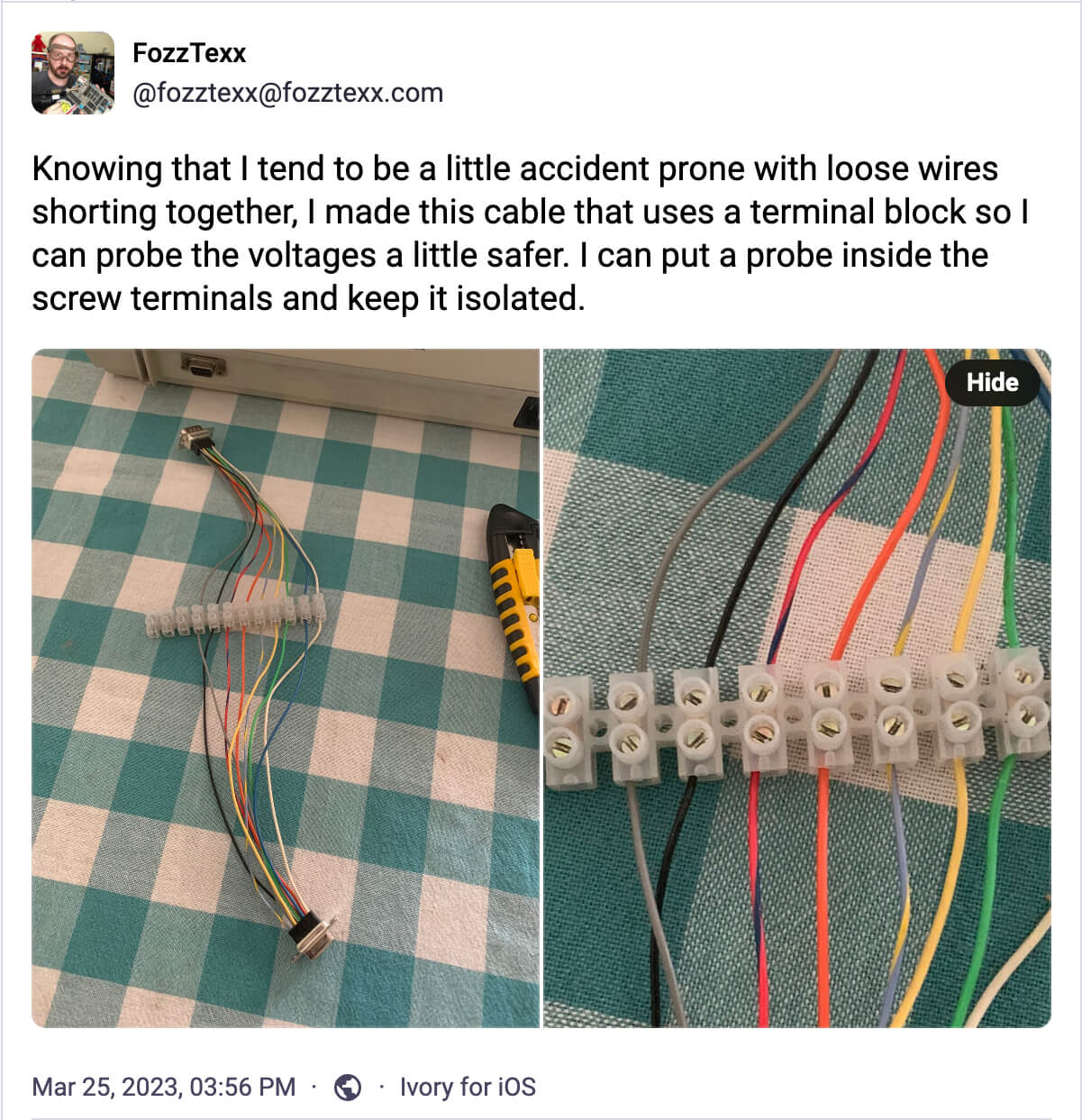
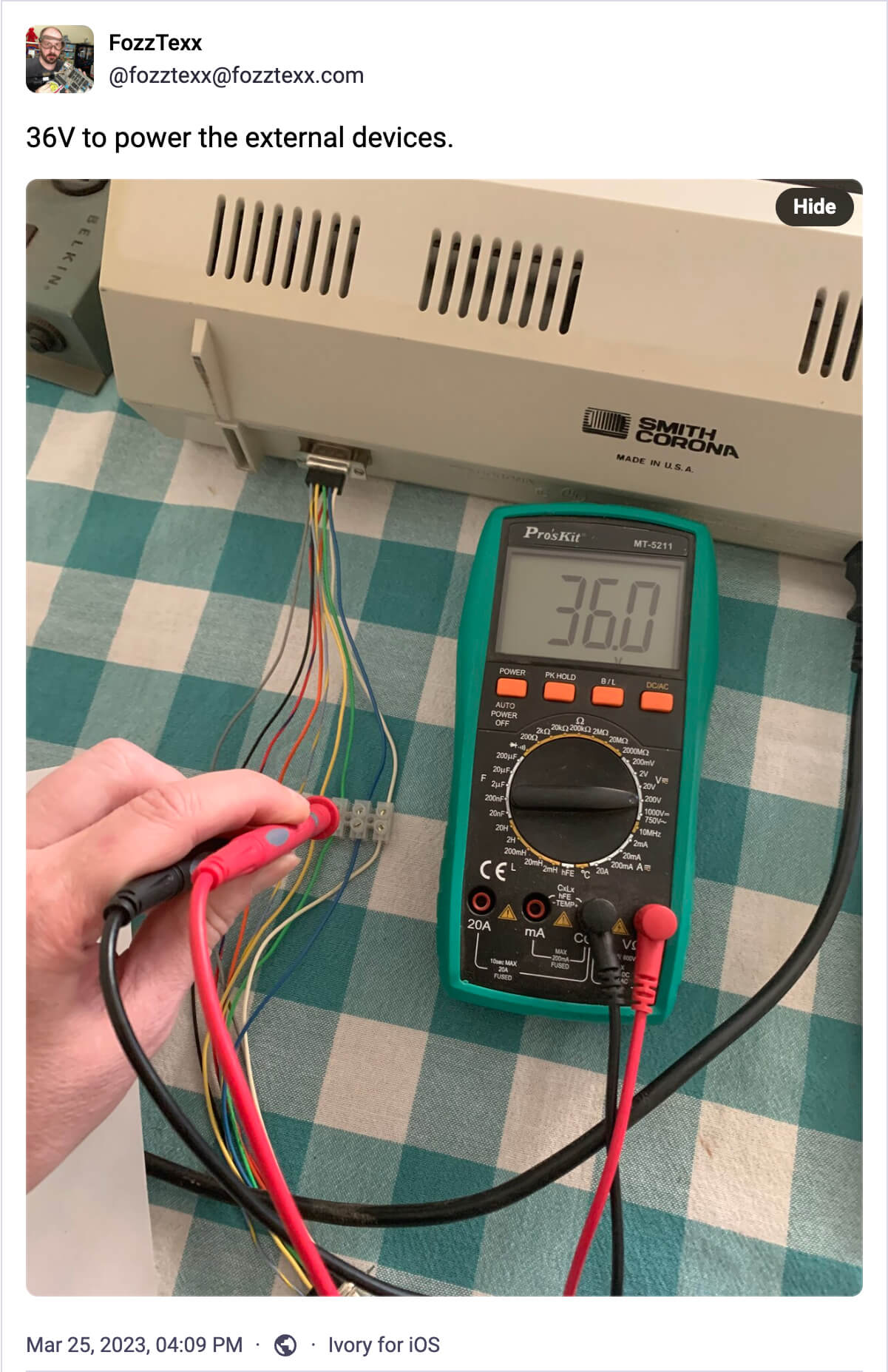
It was late at night, I was too excited and overconfident. One slip.
The smoke was decades of accumulated dust plus one very unhappy solenoid.
I wasn't ready to give up though. I knew this thing can talk to a computer, and I wanted to make it happen.
Ordered an SD-265 from eBay for $65.91.