
What if it could Think?
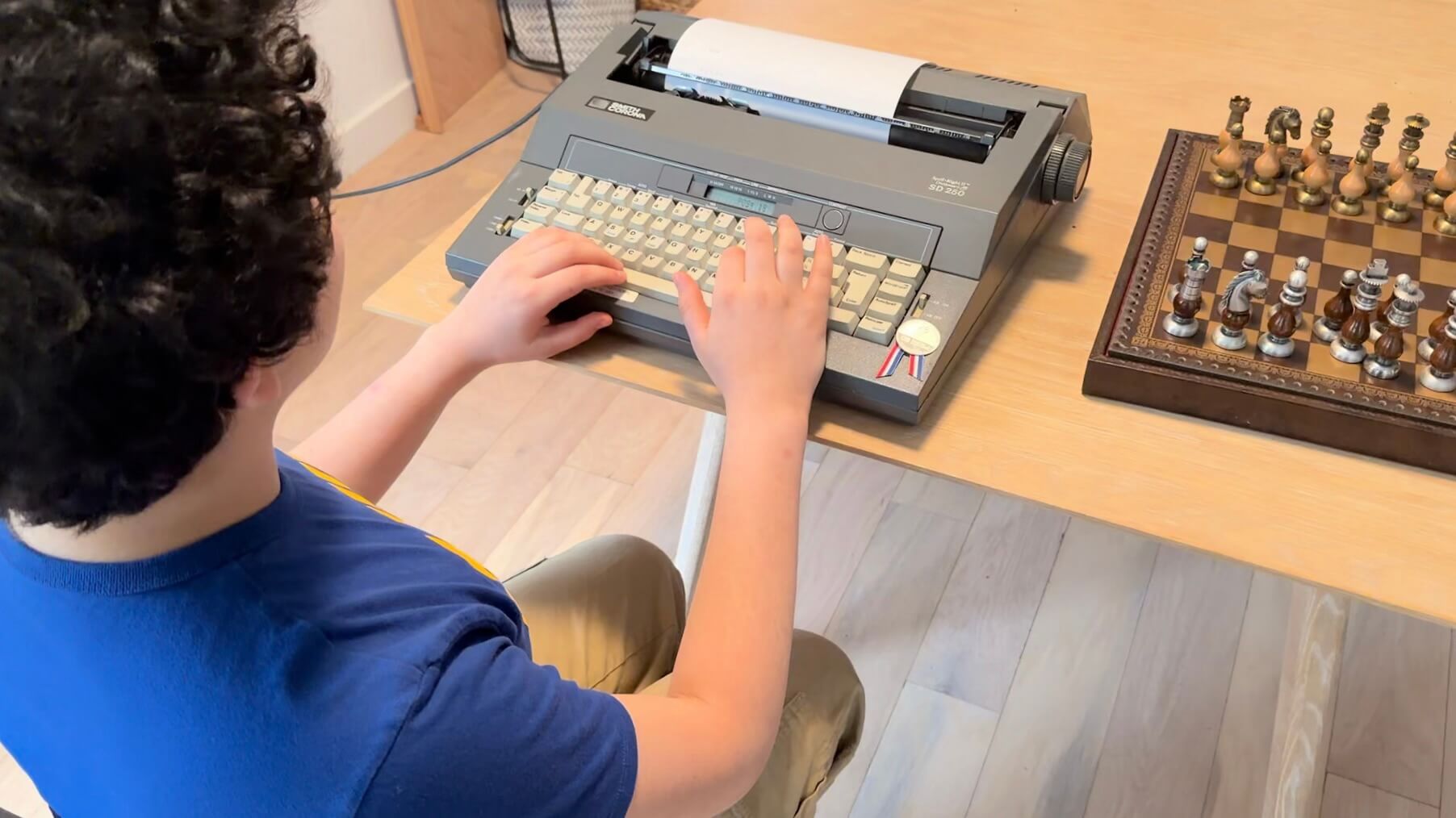
SD-265 arrived from eBay yesterday. Spacebar torn out. Suboptimal, but usable for developing and testing.
While the replacement was in transit, I had time to think.
FozzTexx's documentation proved the typewriter could have a two-way conversation with a computer. Not RS-232. Something proprietary. But documented. Solvable.
So: what if the computer on the other end was ChatGPT?
Type a message on the typewriter. An ESP32 reads the keystrokes, sends them to the ChatGPT API over WiFi, and prints the response. Character by character. On paper.
A 1986 typewriter. Talking to an AI.
That was the simple version. It lasted about a day.
Because once you start thinking about it, the questions multiply. If the typewriter is printing AI responses, what should they sound like? Should it sound like ChatGPT? Like a search engine? Like a person?
What if the typewriter had a voice of its own?
I was 206 messages deep in a ChatGPT conversation before the replacement even arrived.
Started with circuit design. Voltage shifters. Pin assignments. The stuff I needed to physically build.
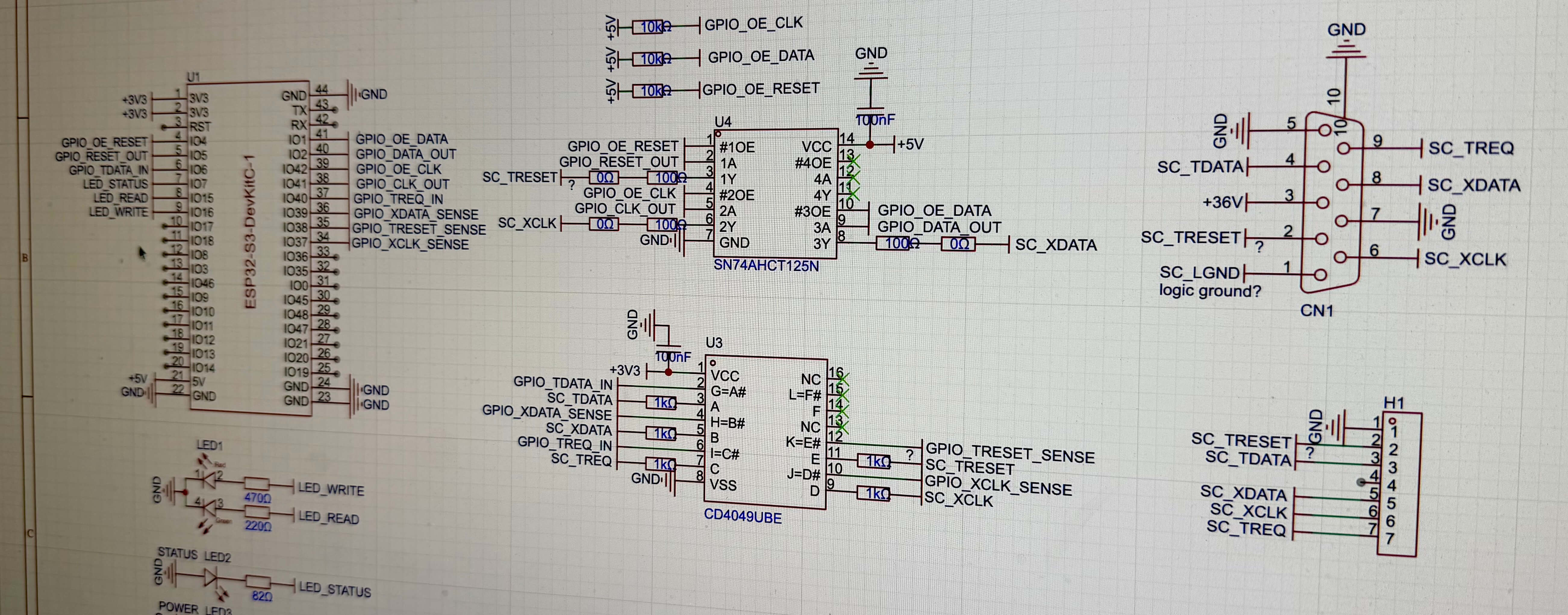
But the conversation kept pulling toward something else.
A personality system. "Vibes". The typewriter wouldn't just relay AI responses. It would have a character. A way of talking. Temperament and charachter baked into the system prompt.
I didn't know if any of it would work. The street find was dead. The replacement had no spacebar. I hadn't successfully sent a single bit through the protocol yet.
But the design was taking shape. Time to build.