Your robot has chosen to kill you

The Mathematics Of Murder: Should A Robot Sacrifice Your Life To Save Two? is a thought provoking article regarding robot ethics in the age of autonomous cars and weapon systems.

It happens quickly-more quickly than you, being human, can fully process.

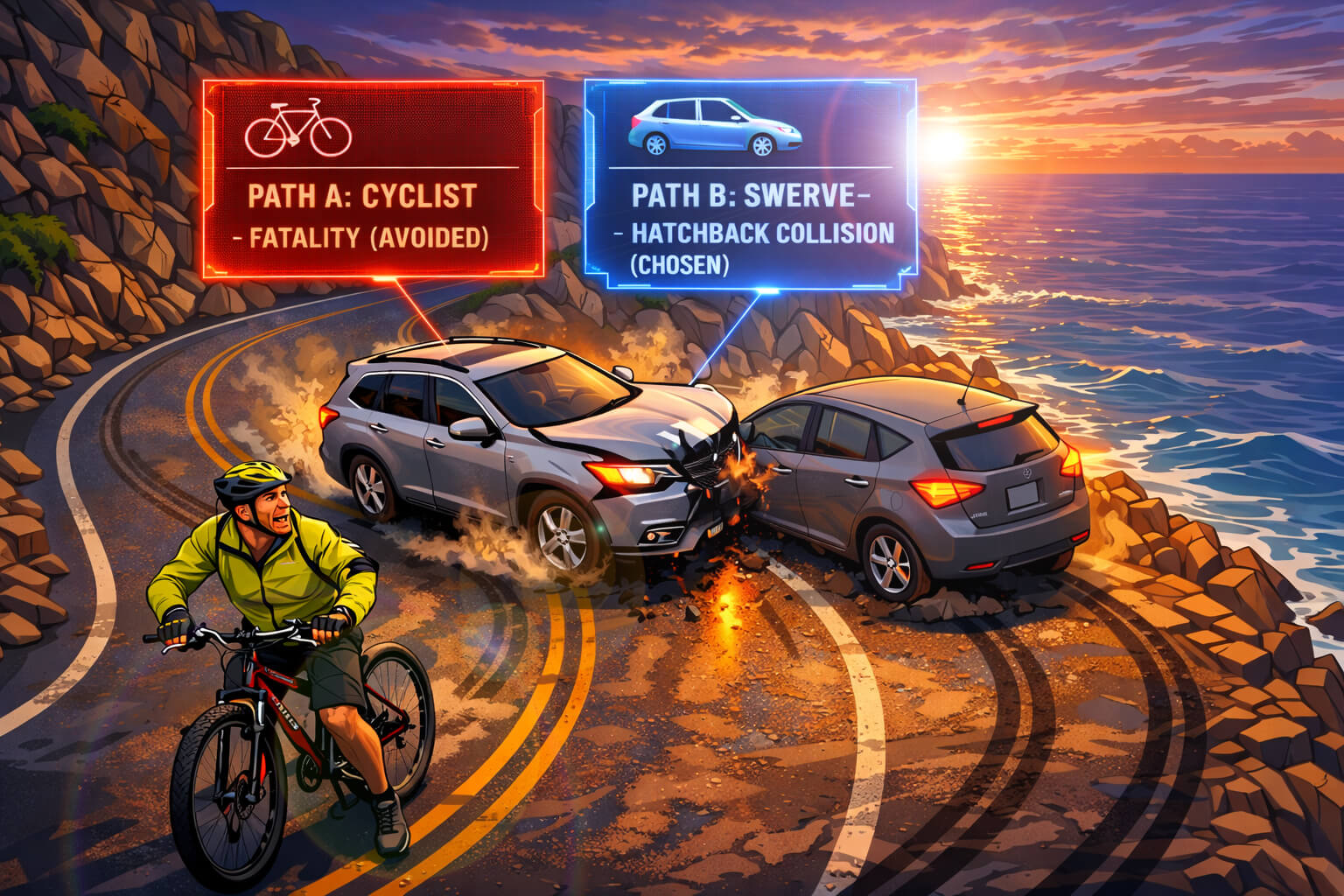
A front tire blows, and your autonomous SUV swerves. But rather than veering left, into the opposing lane of traffic, the robotic vehicle steers right. Brakes engage, the system tries to correct itself, but there's too much momentum. Like a cornball stunt in a bad action movie, you are over the cliff, in free fall.

Your robot, the one you paid good money for, has chosen to kill you. Better that, its collision-response algorithms decided, than a high-speed, head-on collision with a smaller, non-robotic compact. There were two people in that car, to your one. The math couldn't be simpler.

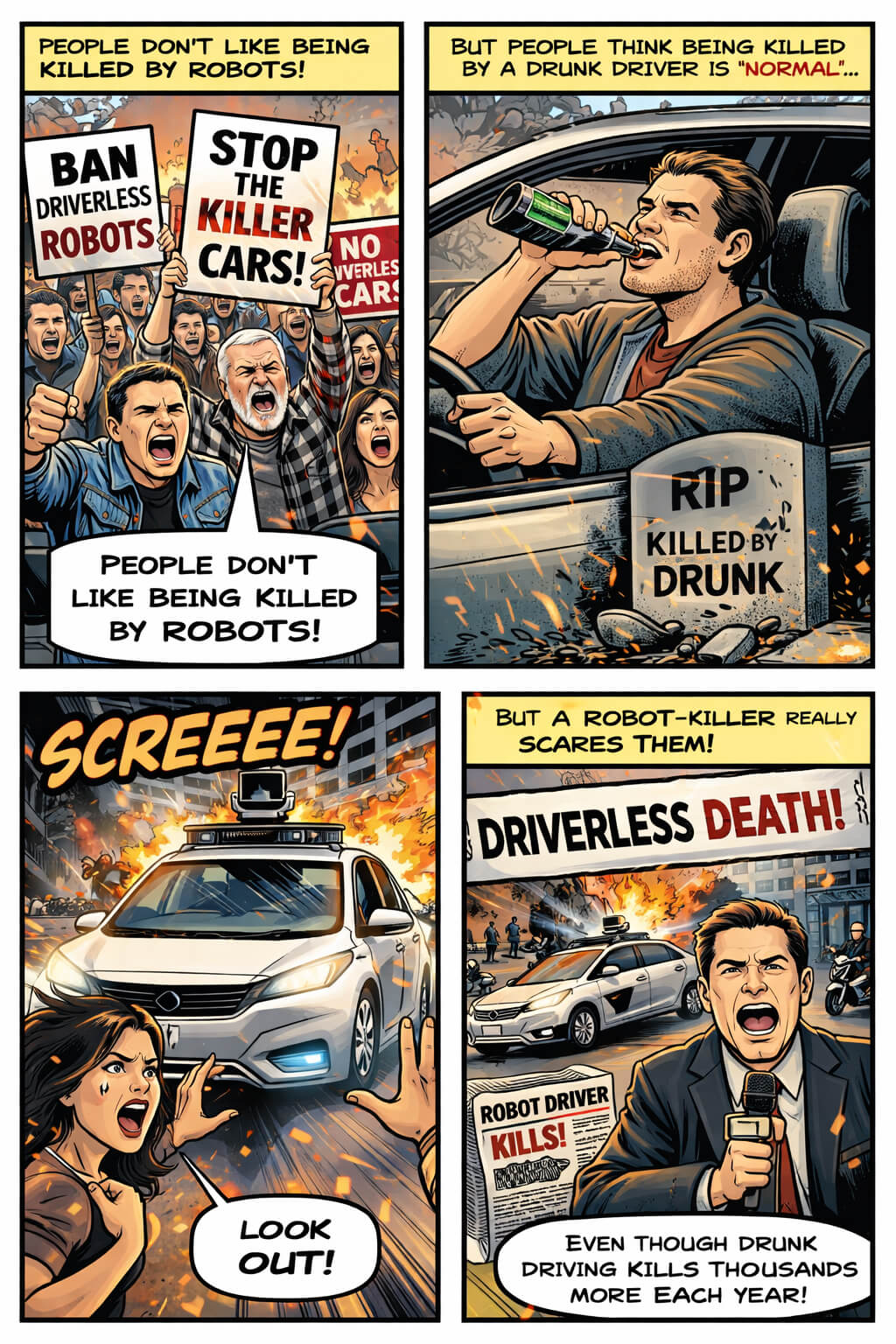
I usually hear about the safety aspects of driveless cars. After all, people don't like being killed by robots. Another intersting angle is ownership: what if I can pay for a car with a safety algorithm that prioritzes me, the owner, and my loved ones?
TED MED: How will nanobots change medicine?

"One word of notice before we begin, all the the technologies you're going to see here, now, are real..."

- Dr. Ido Bachelet: The emergence of nanobot society, TEDMED Israel 2013

Nano-robots that fix tissues and control drugs have been envisioned for over 30 years. Now, using DNA origami and molecular programming, they are reality. These nanobots can seek and kill cancer cells, mimic social insect behaviors, carry out logical operators like a computer in a living animal, and they can be controlled from an Xbox. Ido Bachelet from the bio-design lab at Bar Ilan University explains this technology and how it will change medicine in the near future.

PDLBKBR

At the "GarageGeeks and Yossi Vardi hosting Singularity University" event, I had the privilege of attending a talk by Brad Templeton.

Templeton serves as the Singularity University Networks & Computing Chair, as well as Chairman Emeritus of the EFF. He also consults for Google's driverless car team.

An acronym he used stayed with me:

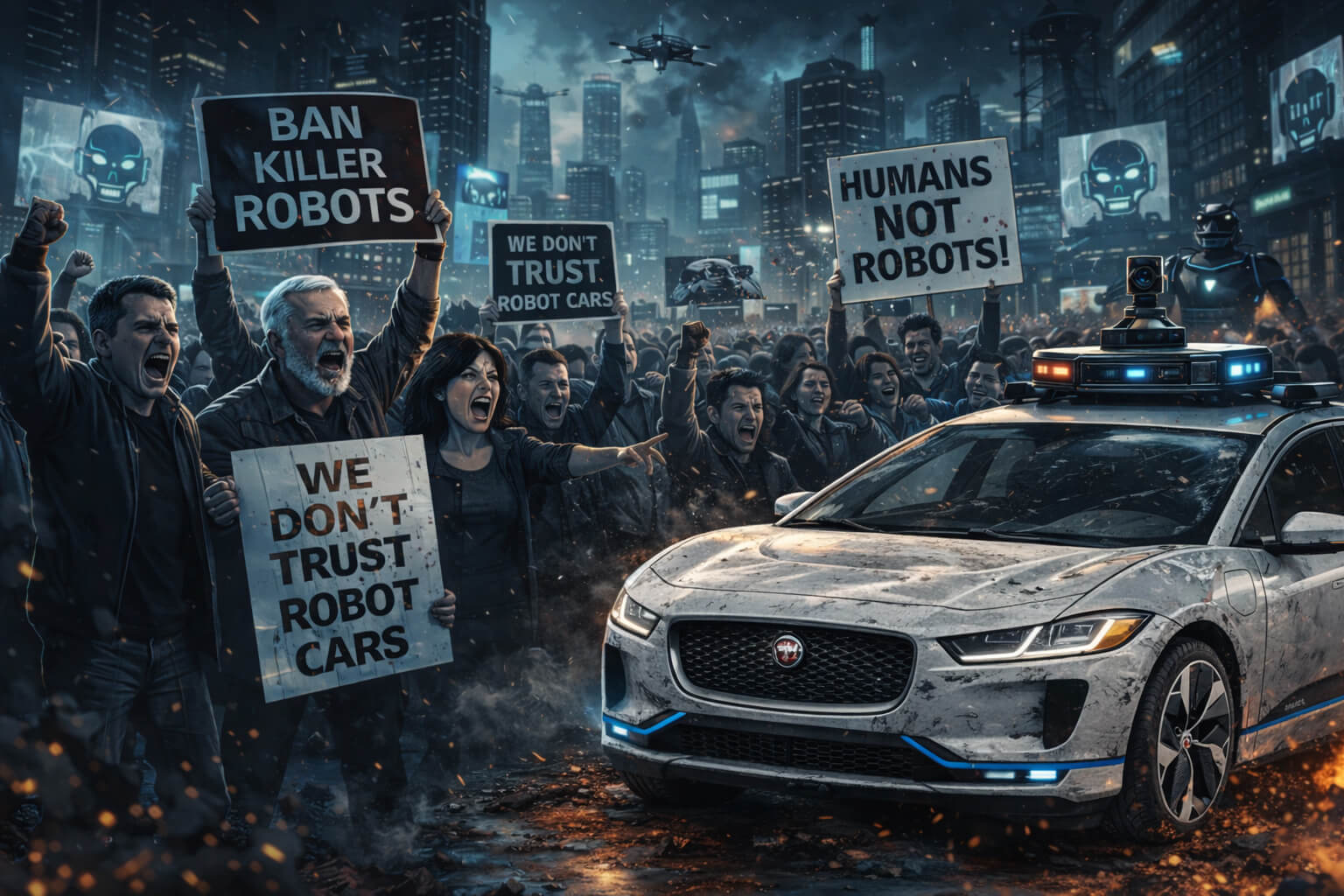
PDLBKBR: People Don't Like Being Killed by Robots.

This, he said, is the "risk perception asymmetry". People would rather be killed by drunks.

Read more →