
CryptoKitties: What Happened Next
Moving the blog to a new platform meant going through everything I'd written. I hadn't thought about CryptoKitties since early 2018. Reading those posts, I got curious - what actually happened?
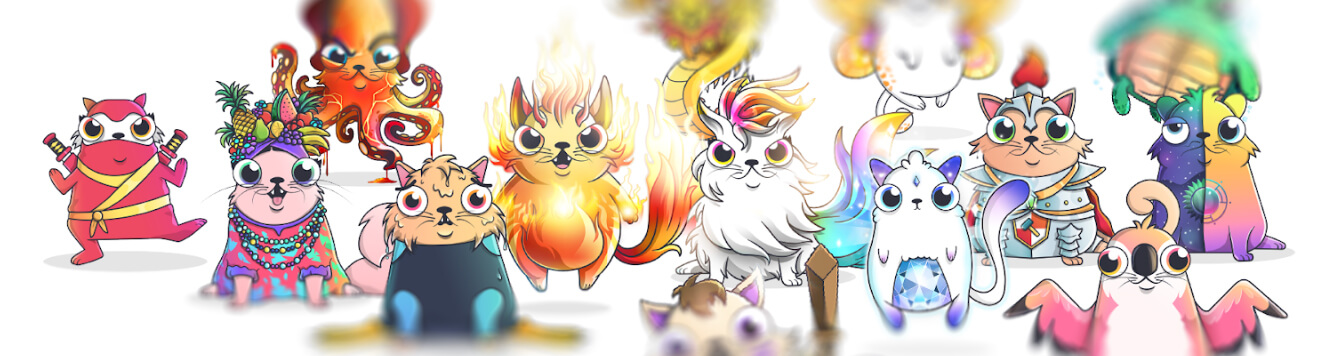
Axiom Zen spun off CryptoKitties into Dapper Labs in February 2018. First round: $12M from a16z and USV.
But CryptoKitties didn't just clog Ethereum. It invented the standard. Dieter Shirley, Dapper Labs CTO, authored ERC-721, the token standard that makes each NFT unique and indivisible. Every Bored Ape, every CryptoPunk, every piece of NFT art traces its lineage back to cartoon cats.
For three years, NFTs stayed niche. Dapper Labs built the Flow blockchain to solve the scaling problems CryptoKitties exposed. They launched NBA Top Shot in 2020. Video highlights as NFTs.
Then 2021 happened.
March 11: Christie's sold Beeple's "Everydays: The First 5000 Days" for $69.3 million. A JPG. At a 255-year-old auction house. Bidding started at $100. The final minutes saw jumps of $10 million, then $15 million. Beeple became the third most expensive living artist, behind only Jeff Koons and David Hockney.
The floodgates opened. Bored Ape Yacht Club launched in April, hit $1 billion in total sales by year's end. CryptoPunks sold for millions. Total NFT sales in 2021: somewhere between $17 billion and $25 billion, depending on who's counting. Up from $250 million in 2020.
Celebrities piled in. In August 2021, Steph Curry paid Ξ55 (~$180,000) for Bored Ape #7990, a blue-furred ape in a tweed suit that became his Twitter avatar. In September, Snoop Dogg claimed to be Cozomo de' Medici, a pseudonymous collector with $17 million in NFTs including nine CryptoPunks - though the claim was later disputed. In November, Jimmy Fallon announced on The Tonight Show that he'd bought his first NFT through MoonPay, without disclosing his financial stake in the company. Two months later, Paris Hilton joined him on the couch to compare apes. In January 2022, Justin Bieber paid Ξ500 (~$1.3 million) for Bored Ape #3001, a common ape with no rare traits. NFT Twitter called it grossly overpaid. They were right: it's now worth around $12,000. The blockchain showed MoonPay transferring expensive apes to celebrity wallets for free.
Meanwhile, Dapper Labs' NBA Top Shot rode the wave. $224 million in sales in February 2021 alone. Dapper Labs hit a peak valuation of $7.6 billion. Investors included Michael Jordan, Kevin Durant, Google Ventures, Samsung. Total funding: $666 million.
Then the crash.
By mid-2022, NFT trading volume had dropped 90%. Bored Ape floor prices fell from $400,000 to $100,000. OpenSea daily volume went from $405 million to $5 million.
The lawsuits followed. In December 2022, investors filed a class action against Yuga Labs and 37 celebrity defendants, alleging they'd promoted Bored Apes without disclosing financial interests in MoonPay. The suit claimed talent manager Guy Oseary orchestrated a scheme to make celebrity endorsements look organic. Fallon's lawyers fought to quash subpoenas. In October 2025, a federal judge sided with Yuga Labs and dismissed the case, ruling that Bored Ape NFTs weren't securities.
Dapper Labs followed the same trajectory. Three rounds of layoffs: 22% (Nov 2022), 20% (Feb 2023), 12% (July 2023). Down to ~180 employees. A class action lawsuit over whether Top Shot Moments were unregistered securities. Settled for $4 million in June 2024.
What do you actually own?
Something interesting happened in the wreckage. The question shifted from "what's an NFT worth?" to "what do you actually own?"
BAYC had offered something unprecedented: unlimited commercial rights. Buy an ape, and you could spin it into films, TV shows, restaurants, whatever. No revenue cap. This was radical. CryptoPunks holders could only display and resell. CryptoKitties licensed under the Nifty License: limited commercial use, physical goods only, $100,000 annual cap.
A California restaurateur launched Bored & Hungry, a burger joint branded with his ape. Actor Seth Green planned a TV show starring his Bored Ape #8398, named Fred Simian. Then it got stolen in a phishing attack. Green paid $260,000 to buy it back from the thief. The question lingered: had the IP rights transferred with the theft?
In June 2022, Eminem and Snoop Dogg released "From The D 2 The LBC", their first collaboration in over 20 years. The music video featured animated versions of their actual Bored Apes.
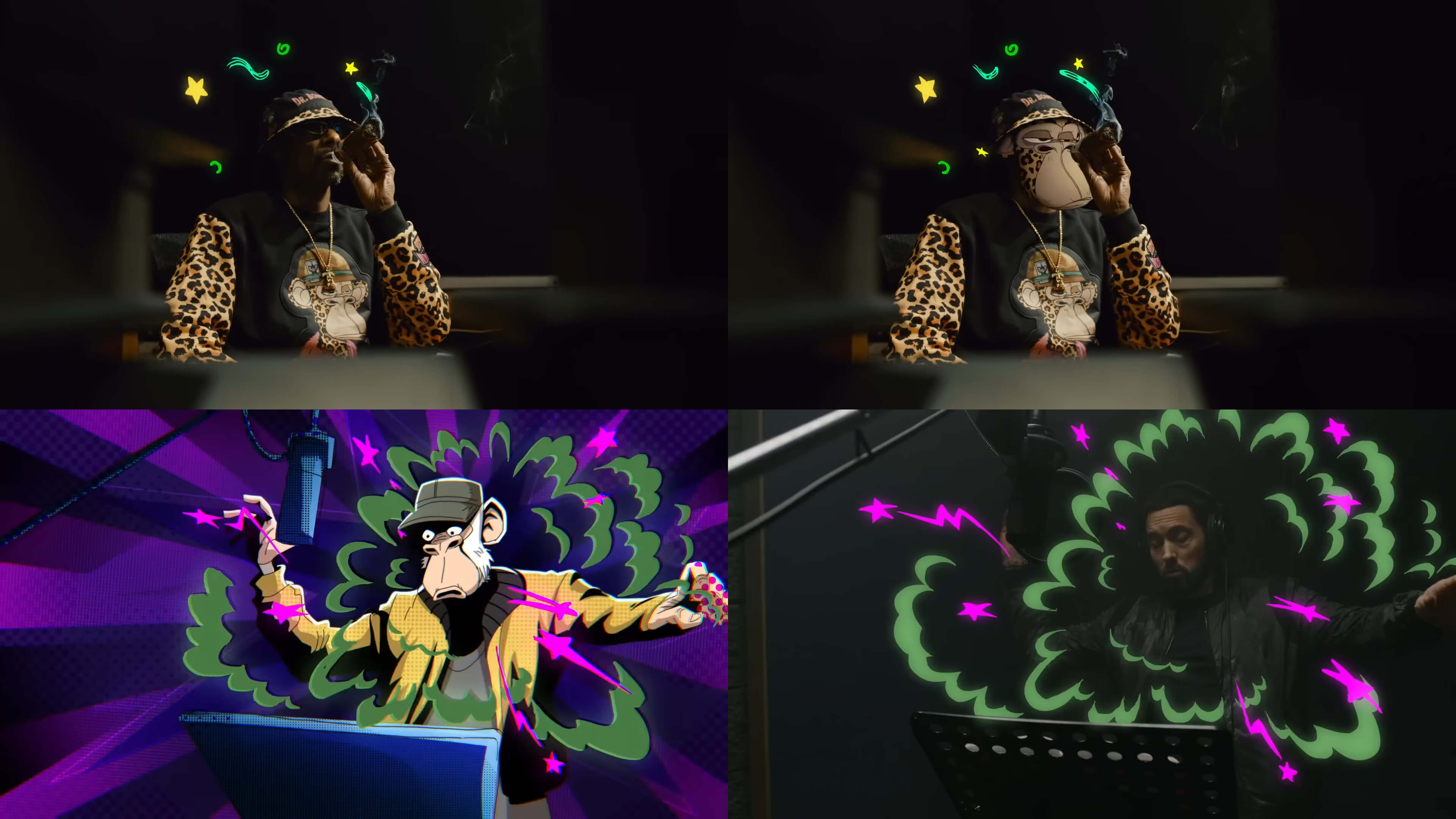
Eminem's ape sold for Ξ123.45 (~$452,000), though as with other celebrity acquisitions, how much of their own money actually changed hands remains murky. They premiered it at ApeFest, performed as their ape avatars at the VMAs, and launched merchandise under "Ape Editions". Two hip-hop legends, exercising IP rights attached to JPGs they'd bought on a blockchain. Whatever you think of NFTs, that's a new kind of ownership.
The legal infrastructure remained murky. Galaxy Digital reported that BAYC may have "misled" buyers about IP rights. Yuga Labs admitted in court filings they had no copyright registrations for the 10,000 ape images, though they claimed copyright exists automatically. Copyright law requires written transfer signed by the owner. Buying an NFT on OpenSea doesn't obviously satisfy that.
CryptoKitties itself? Total lifetime volume: ~$40-50 million across 2+ million cats. Dapper Labs kept 3.75% of marketplace transactions plus 100% of Gen 0 sales. Roughly $7 million to the developers, $20 million back to players. By 2022, fewer than 100 sales per day. A rounding error next to the billions that followed. But every one of those billions flowed through infrastructure the cats helped build.
The smart contracts are immutable. The cats still exist. You can still breed them. Occasional big sales still happen: Founder Cat #71 sold for Ξ60 (~$170K) in April 2022. The legal questions around what you actually own when you buy a token pointing to a picture? Those are still being written.
On September 4, 2018, someone called Rabono paid Ξ600 (~$170,000) for a cat named Dragon - the highest NFT transaction at the time. Dragon was never resold. Rabono's wallet now holds barely $30 worth of ether and hasn't traded in NFTs for years.
The hype crashed. The technology didn't.