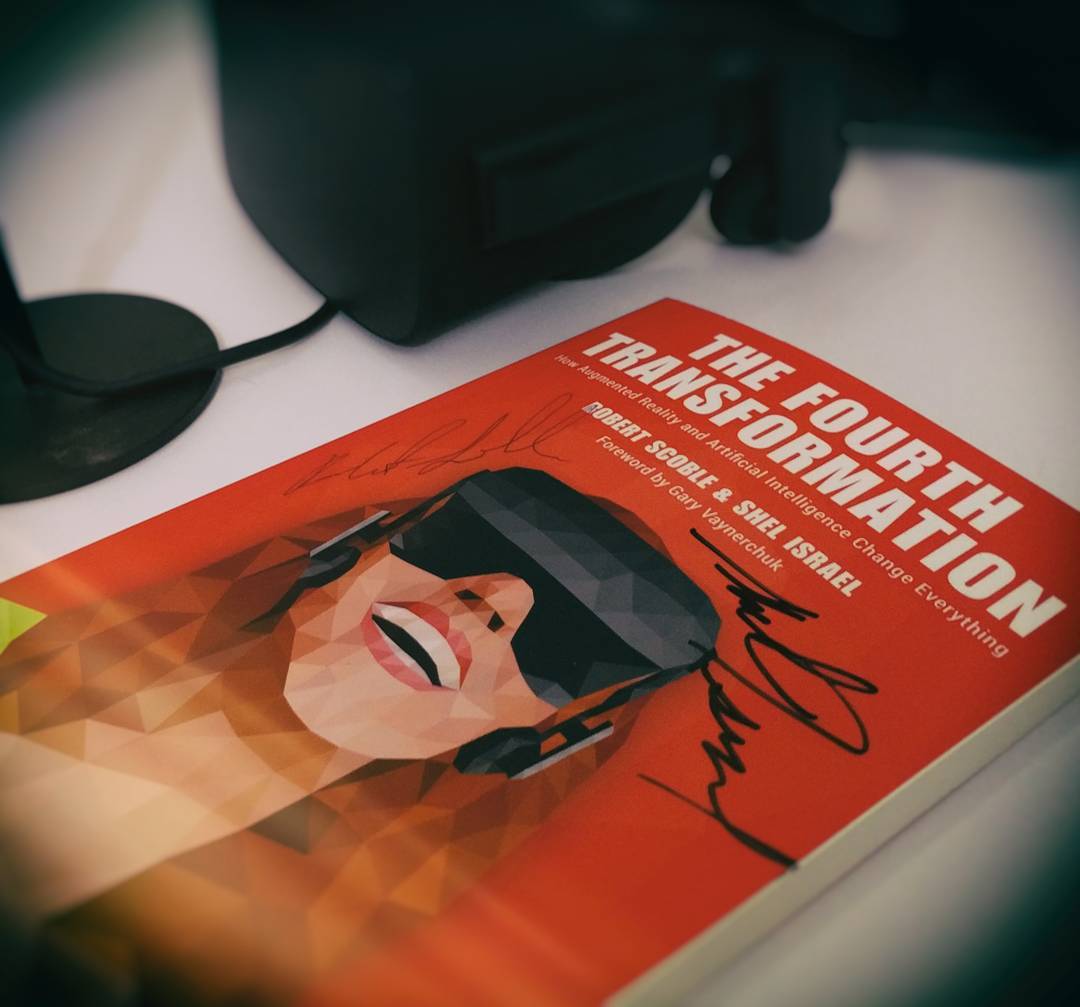
The premise: We've had three interface transformations - text (1970s), GUI (1984), touch (2007). The fourth is AR glasses with AI. Ten years from now, the smartphone won't be the center of your digital life. Glasses will.
I backed the Oculus Rift in 2012. Got Glass in 2014. Walked around Yarkon Park with it during morning stroller walks with my son. Awkward. Not very useful. The Oculus sits mostly unused - hard to disconnect from the surroundings, from what's going on at home, even for games.
Still believe in the trajectory. When the form factor is regular glasses, it'll work. Then contact lenses. Then direct brain interface.
PZ Myers wrote an essay claiming that "Ray Kurzweil does not understand the brain", which has some good points, but is entirely based on the premise that Kurzweil says we will reverse-engineer the brain from the genome, that contains 25 million [relevant] bytes, or a million lines of code (second-hand comments on erroneous press reports, taken out of context).
I mentioned the genome in a completely different context. I presented a number of arguments as to why the design of the brain is not as complex as some theorists have advocated. This is to respond to the notion that it would require trillions of lines of code to create a comparable system. The argument from the amount of information in the genome is one of several such arguments. It is not a proposed strategy for accomplishing reverse-engineering. It is an argument from information theory, which Myers obviously does not understand.
The reasoning behind the "million lines of code" calculation makes sense if you think about the Kolmogorov complexity of the DNA responsible for coding the design instructions for building the brain.
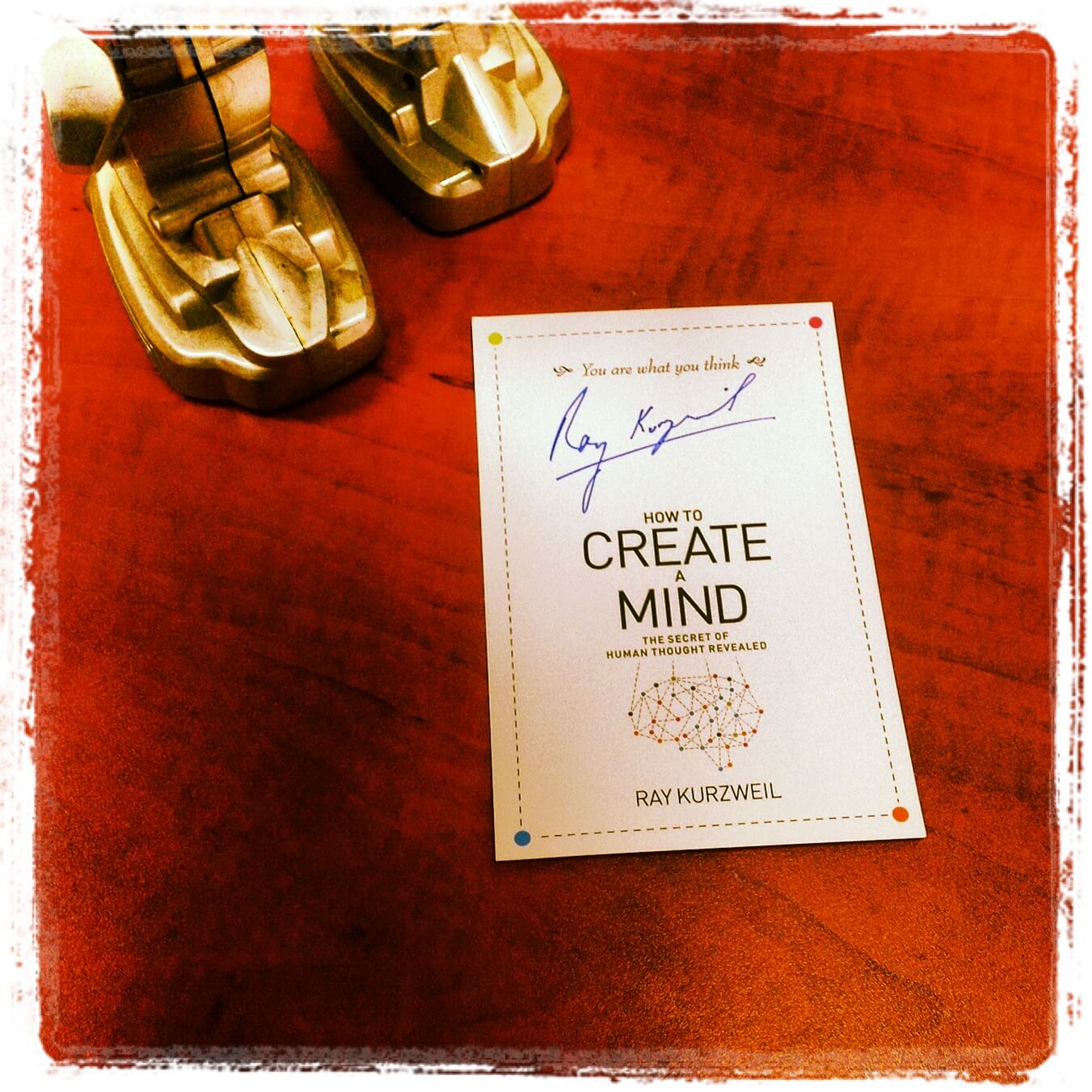
Trying to reverse engineer a complete brain biologically, in order to have a computer simulate the same principles (only faster) is dumb. I've read Kurzweil's "How to Create a Mind", and he knows his shit. He gave specific examples of how his team gained some insights that helped improve speech recognition from reverse engineering several processes.
Mostly I think that in general the human population, myself included, is an incredibly stupid, short sighted, nasty, egotistic species with occasional streaks of artistic, political or scientific brilliance. Hopefully we can do better than simulate that.